How Proper Subfloor Installation Prevents Floor Damage
Hiring local contractors for proper subfloor installation helps prevent floor damage by ensuring a stable, level surface that supports your flooring and maintains its longevity.
Understanding how proper subfloor installation prevents floor damage is essential for property owners aiming to protect their investments. When a subfloor is installed correctly, it provides a stable, level foundation that helps prevent issues like squeaking, cracking, and uneven surfaces. This is especially important in areas prone to moisture or temperature fluctuations, where improper installation can lead to warping or mold growth. Local contractors experienced in subfloor services can assess the specific needs of a property, ensuring that the foundation is built to withstand daily wear and environmental challenges, ultimately extending the lifespan of the flooring.
For property owners in the area, exploring the importance of proper subfloor installation can lead to significant savings in repair costs and reduce the risk of premature floor failure. Skilled local service providers understand the nuances of subfloor materials and installation techniques, which can make a difference in how well a floor performs over time. Whether renovating an existing space or preparing for new flooring, working with experienced contractors ensures that the subfloor is properly prepared, helping to prevent damage and maintain the integrity of the entire flooring system. Keep reading to discover practical tips and insights on how professional subfloor installation can safeguard your property’s floors.
- Basement remodeling - homeowners planning to finish or upgrade their basement can rely on local contractors to ensure the subfloor is properly installed to prevent future floor damage.
- New construction projects - builders and developers often seek professional subfloor installation to provide a stable foundation that guards against uneven or cracked floors over time.
- Floor replacement - when replacing old or damaged flooring, service providers focus on proper subfloor setup to avoid recurring issues like squeaks or shifting.
- Water damage repairs - after flooding or leaks, local pros assess and reinstall subfloors correctly to prevent warping and structural problems in the finished flooring.
- Home renovation - during extensive remodeling, contractors emphasize correct subfloor installation to maintain floor integrity and prevent damage from shifting or moisture.
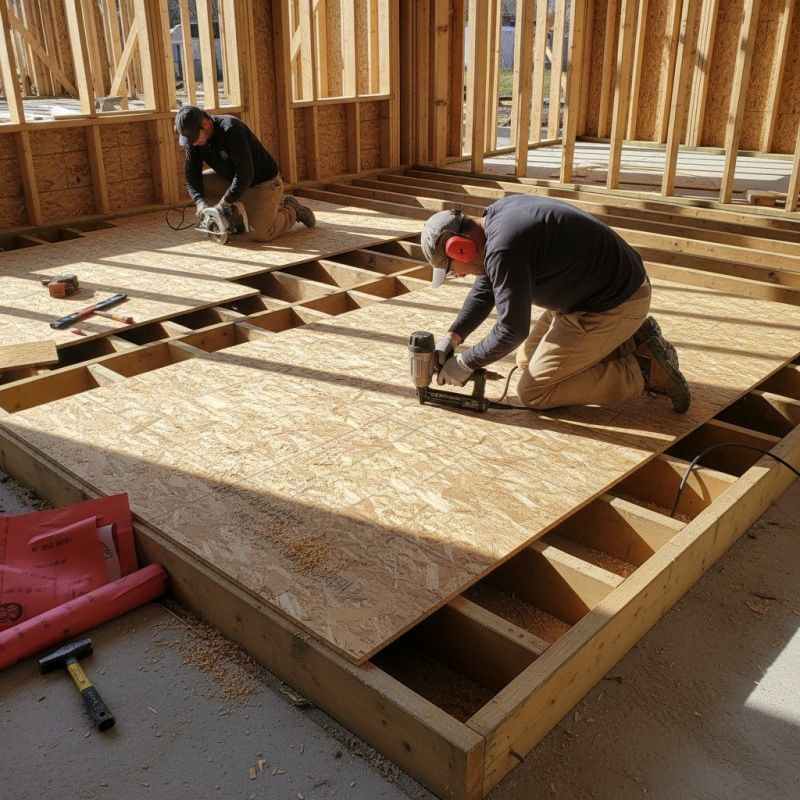
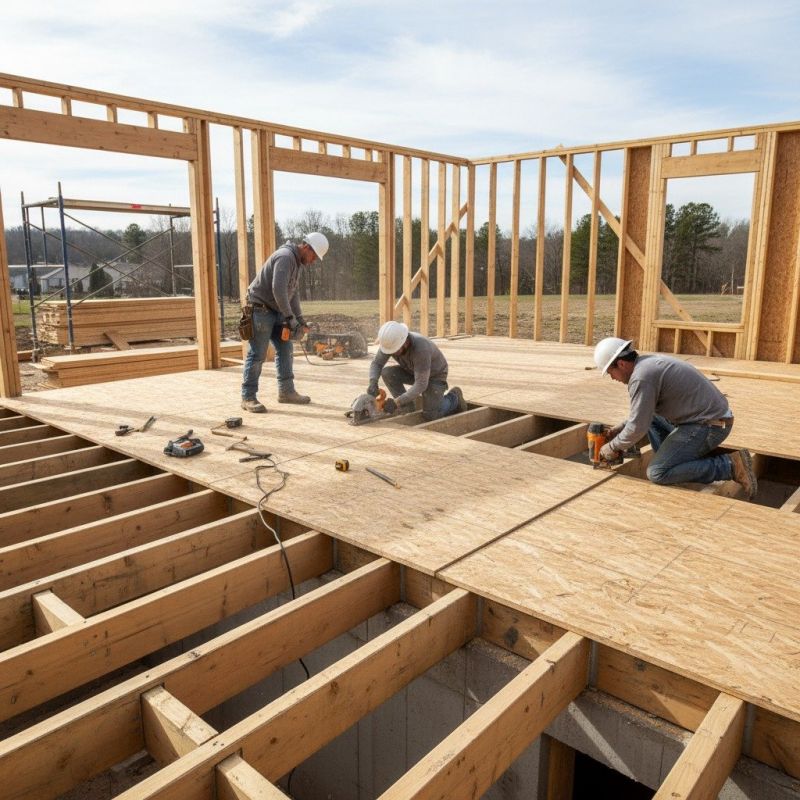
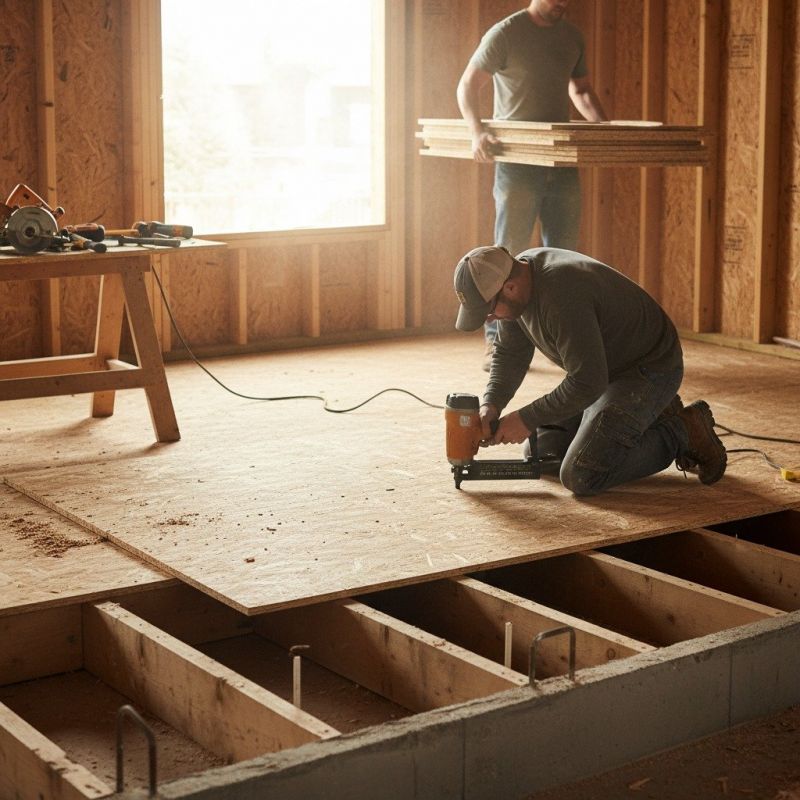
When people search for how proper subfloor installation prevents floor damage, they are often looking to understand the importance of a solid foundation for their flooring projects. This topic relates to planning and executing a subfloor setup that supports the finished flooring, whether it’s hardwood, laminate, tile, or carpet. Homeowners may be facing issues like uneven floors, squeaks, cracks, or moisture problems, and they want to know how proper installation can help avoid these common concerns. It’s especially relevant when remodeling, building new homes, or upgrading existing floors, as a well-installed subfloor sets the stage for a durable, long-lasting surface.
Problems associated with improper subfloor installation can include buckling, warping, or moisture damage that leads to costly repairs down the line. When the subfloor isn’t installed correctly, it can create unevenness that causes finished flooring to crack or become unstable. Excess moisture trapped beneath the surface can promote mold growth and deterioration, especially in areas prone to humidity like basements or bathrooms. For property owners planning renovations or new constructions, understanding how proper subfloor installation addresses these issues is key to ensuring the integrity of the entire flooring system.
The types of properties where proper subfloor installation is most critical include residential homes, especially those with multiple levels or older structures, as well as commercial buildings and rental properties. Homes with concrete slabs, crawl spaces, or basements often require careful subfloor preparation to prevent moisture issues. In addition, properties located in climates with high humidity or frequent temperature fluctuations benefit from a properly installed subfloor that can accommodate expansion and contraction. Local contractors with experience in subfloor installation can assess the specific needs of each property and recommend solutions that prevent future damage.
For homeowners undertaking a flooring project, understanding how proper subfloor installation connects to the durability of their floors highlights the importance of choosing qualified service providers. Local pros can evaluate existing conditions, recommend suitable materials, and ensure the subfloor is installed to support the chosen flooring type effectively. This not only helps prevent damage but also contributes to a smoother installation process and a final result that withstands daily use. Connecting with experienced contractors ensures that the foundational work is done right, setting the stage for a beautiful, resilient floor that lasts for years to come.
Bathroom Remodels - proper subfloor installation is essential in bathroom projects to prevent water damage and mold growth, making this a key skill for local contractors specializing in wet-area renovations.
Basement Finishing - finishing a basement requires careful subfloor preparation to avoid moisture issues and structural problems, aligning with skills used in floor damage prevention.
Kitchen Renovations - installing durable subfloors under kitchen flooring helps resist spills and heavy foot traffic, which local service providers often handle during remodels.
Wood Floor Refinishing - proper subfloor prep ensures a smooth, stable surface for refinishing wood floors, reducing the risk of future damage and uneven wear.
Commercial Flooring Installation - large-scale commercial projects demand precise subfloor work to support heavy equipment and high traffic, preventing costly repairs.
Concrete Subfloor Repair - repairing and leveling concrete subfloors is crucial for preventing cracks and uneven flooring, a task performed by local contractors experienced in subfloor services.
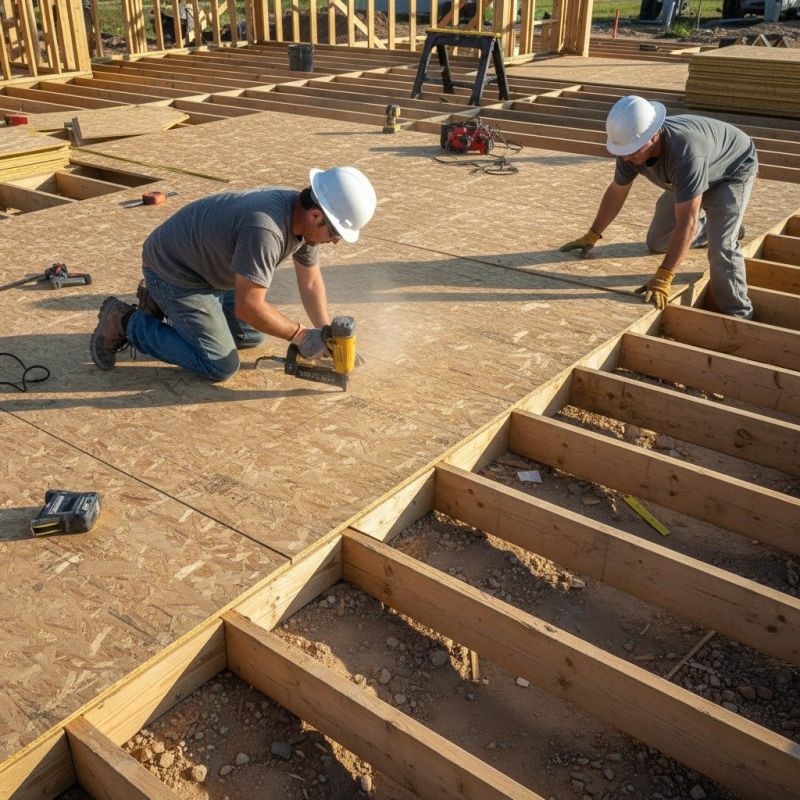
When comparing service providers for subfloor installation, it is important to consider their experience with similar projects. Homeowners should look for local contractors who have a proven track record of successfully handling subfloor work, especially in situations similar to their own. An experienced professional will be familiar with common challenges and best practices, helping to ensure the subfloor is installed properly to prevent issues like uneven surfaces, squeaks, or moisture problems that can lead to floor damage over time.
Clear written expectations are essential when evaluating potential service providers. Homeowners should seek contractors who can provide detailed descriptions of the scope of work, materials used, and the steps involved in the installation process. Having this information in writing helps establish a shared understanding and reduces the chances of misunderstandings or unmet expectations. It also allows homeowners to compare proposals more effectively and choose a provider who aligns with their project needs.
Reputable references and good communication are key indicators of a reliable local contractor. Homeowners are encouraged to ask for references from previous clients or check online reviews to gauge the quality of past work. Additionally, a service provider who communicates clearly and promptly demonstrates professionalism and a commitment to customer satisfaction. Effective communication ensures that questions are answered, concerns are addressed, and the project progresses smoothly, ultimately contributing to a successful subfloor installation that helps prevent future floor damage.
Property owners often search for how proper subfloor installation prevents floor damage when they are planning practical projects around their homes and businesses. Local pros provide Subfloor Installation services for everyday jobs and straightforward project options.
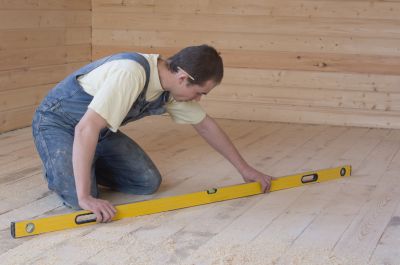
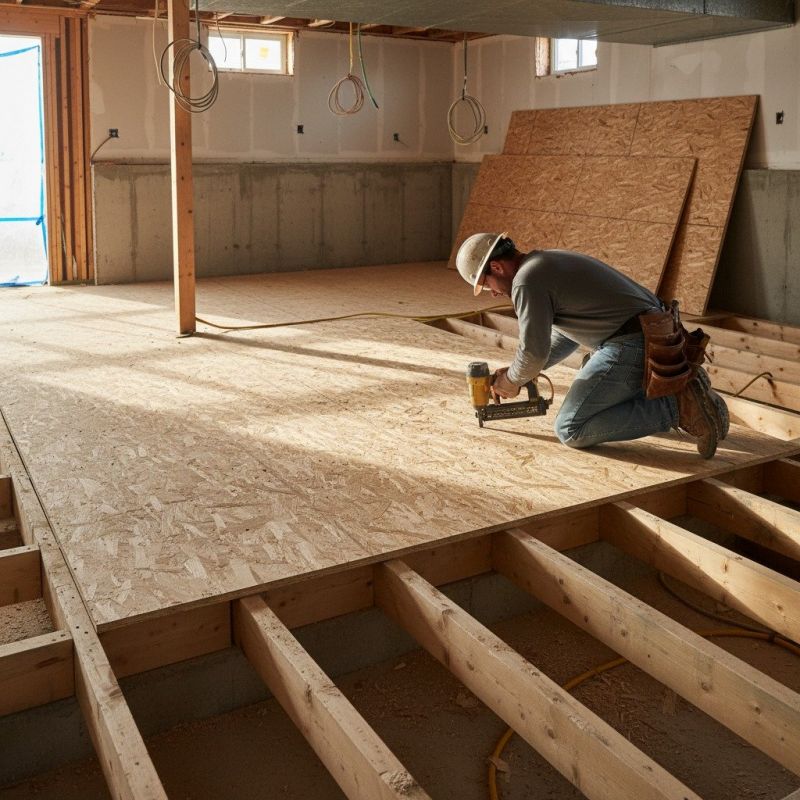
Proper subfloor installation is essential for maintaining the integrity of a home's flooring, especially in areas prone to moisture or heavy foot traffic. When subfloors are installed correctly, they provide a stable and even foundation that helps prevent common issues like buckling, squeaking, or cracking. Property owners in the area often seek out local contractors to ensure this step is done properly, as it can significantly extend the lifespan of the finished floor and reduce the need for costly repairs down the line.
Many people looking into how proper subfloor installation prevents floor damage are also interested in working with experienced service providers who understand the unique demands of local homes. These professionals can assess existing conditions, recommend suitable materials, and perform precise installation techniques to protect the flooring above. Connecting with local contractors ensures the job is handled by those familiar with regional building conditions, helping property owners achieve a durable, damage-resistant floor that stands the test of time.
How does proper subfloor installation help prevent floor damage? Proper subfloor installation ensures a stable and level foundation, reducing the risk of cracks, squeaks, and uneven surfaces that can lead to damage over time. Local contractors can install the subfloor correctly to provide long-lasting support for the finished flooring.
What issues can arise from improper subfloor installation? Improper installation can cause issues like warping, buckling, and moisture problems, which may result in costly repairs or replacement of the flooring. Skilled service providers can identify and correct installation problems early to protect the floor’s integrity.
Why is a level subfloor important for preventing damage? A level subfloor prevents uneven stress on the flooring materials, reducing the likelihood of cracking, splitting, or premature wear. Local pros use specialized tools to ensure the subfloor is properly leveled before installing the finished floor.
How does moisture management during subfloor installation prevent damage? Proper moisture management helps prevent mold, warping, and buckling caused by excess moisture. Local contractors often include moisture barriers and proper sealing techniques as part of their installation process.
What role do local pros play in ensuring proper subfloor installation? Local service providers have the experience and tools to install subfloors correctly, ensuring they are stable, level, and moisture-resistant, which ultimately helps prevent damage to the finished flooring.
Assess the subfloor condition - property owners should evaluate the existing subfloor for moisture and stability before installation, with local contractors providing expert inspections.
Choose appropriate subfloor materials - selecting the right type of subfloor based on the room’s use and environment can prevent future damage, with local service providers guiding material choices.
Ensure proper leveling and fastening - proper leveling and secure fastening by local pros help create a smooth, stable surface that reduces the risk of warping or cracking over time.
Implement moisture barriers and insulation - adding moisture barriers and insulation during subfloor installation can protect against water damage and temperature fluctuations, safeguarding the flooring’s longevity.
If you are thinking about how proper subfloor installation prevents floor damage for a property, this guide is meant to help you understand this topic, the typical project types, and how different options might fit your plans.
When you are ready, you can use the quote form on this page to share a few details about your project. From there, local pros can review the basics and follow up with options that match what you have in mind.